We speak with Dr Kamal Shigli, Head of Prosthodontics at D Y Patil Dental School, Lohegaon, Pune, about how her department is advancing interdisciplinary and digitally enabled oral cancer rehabilitation. Dr Kamal Shigli discusses presurgical planning, digital dentistry, mobile outreach, and the need to make maxillofacial rehabilitation an integral part of oral cancer care in this interview.
Oral cancer treatment does not end with the removal of the tumour. Surgery and cancer therapy can leave patients with difficulties affecting speech, chewing, swallowing, facial symmetry and social confidence. At D Y Patil Dental School, prosthodontic rehabilitation is integrated with oncology planning, preventive oral care, and digital workflows, ensuring recovery is considered from the beginning of the treatment journey.
"Rehabilitation should not be treated as an afterthought. It should be planned before surgery."
What gap in oral cancer rehabilitation did your team identify that led to the development of this comprehensive model?
We identified a major lack of awareness about prosthetic rehabilitation among patients with head and neck cancer. The immediate focus is understandably on diagnosis, surgery and survival, but many patients are not told early enough how rehabilitation can help them speak, chew, swallow and regain confidence after treatment. We therefore wanted to create a model in which rehabilitation is discussed from the outset rather than introduced only after the patient has already adapted to a significant functional defect.
Many institutions still focus primarily on cancer treatment. How has DY Patil integrated rehabilitation as an essential part of care rather than an afterthought?
We begin by counselling patients about the possible consequences of surgery and explaining the available reconstructive and prosthetic options. Our prosthodontists participate in interdisciplinary discussions and, whenever possible, assess patients before surgery. This allows us to plan the rehabilitation pathway early and to maintain continuity from presurgical counselling through postoperative prosthetic care and follow-up. The goal is not merely to treat the disease, but also to help the patient recover function and quality of life.
What difference has the inclusion of prosthodontists in tumour board discussions made to patient outcomes?
Participation in the tumour board gives the prosthodontist an opportunity to understand the proposed surgery, anticipate the likely defect and contribute a rehabilitation perspective before treatment begins. It also enables closer coordination with surgeons, oncologists and other members of the care team. This presurgical planning makes the rehabilitation process more organised and can improve the predictability of the prosthetic outcome.
How has the adoption of digital dentistry improved the predictability and efficiency of maxillofacial rehabilitation at D Y Patil?
The availability of an intraoral scanner has allowed us to incorporate accurate digital impressions into our rehabilitation workflow. Digital records can be reviewed, stored and shared more easily, helping the clinical and laboratory teams plan treatment in a coordinated manner. For patients who find conventional impressions uncomfortable or difficult to tolerate, scanning can also make the experience more acceptable when clinically feasible. Overall, the digital workflow supports greater precision, efficiency and consistency in the fabrication of customised prostheses.
Could you share how the mobile dental van initiative is extending cancer-related oral healthcare beyond the conventional clinical setting?
The mobile dental van helps us take essential oral healthcare closer to patients, including those receiving care through the cancer hospital. It supports oral cancer screening, oral prophylaxis, fluoride application and emergency dental treatment. These services are important both before and after cancer therapy because untreated infection and poor oral hygiene can complicate treatment and recovery. The van also helps us reach patients who may otherwise find it difficult to visit the dental centre regularly.
Can you share an example of how a patient's quality of life improved after rehabilitation?
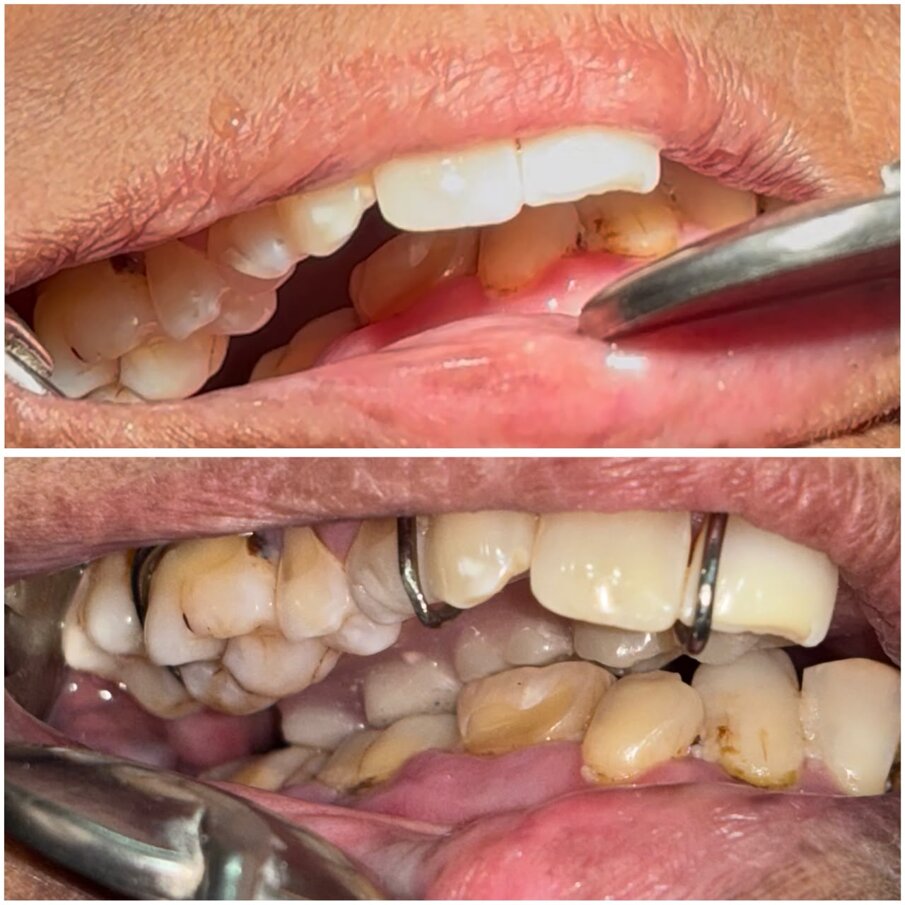
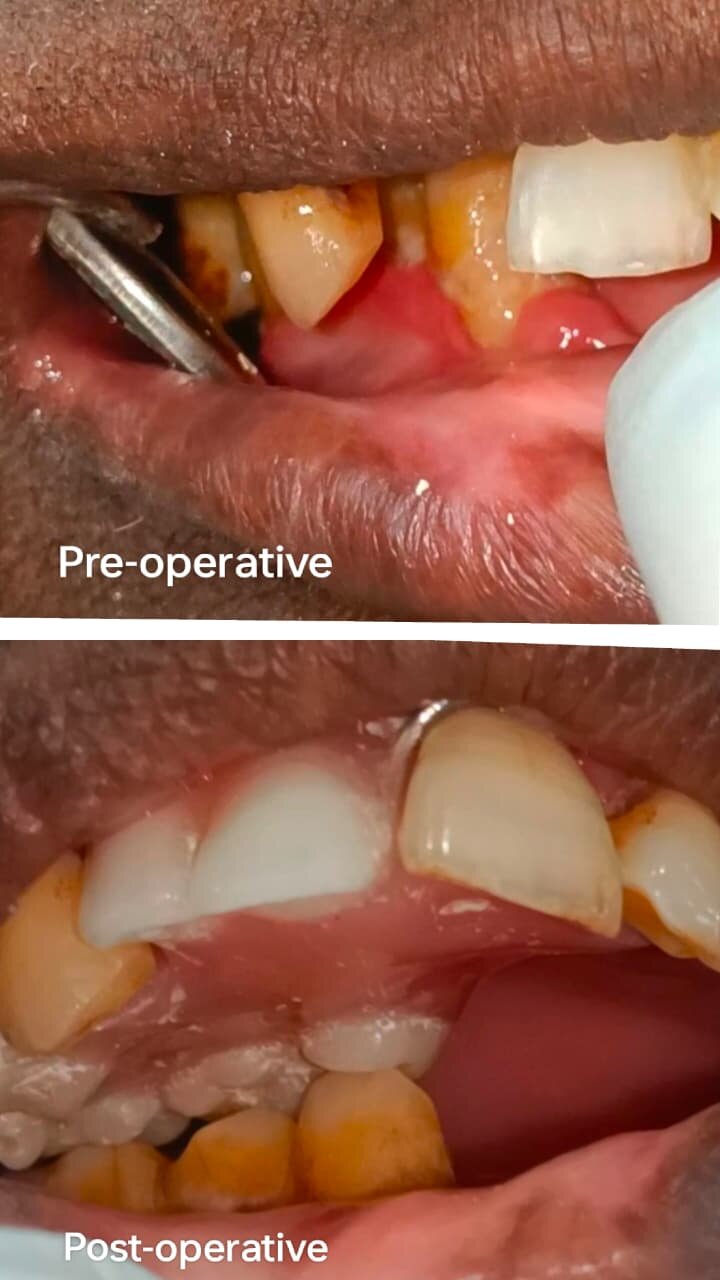
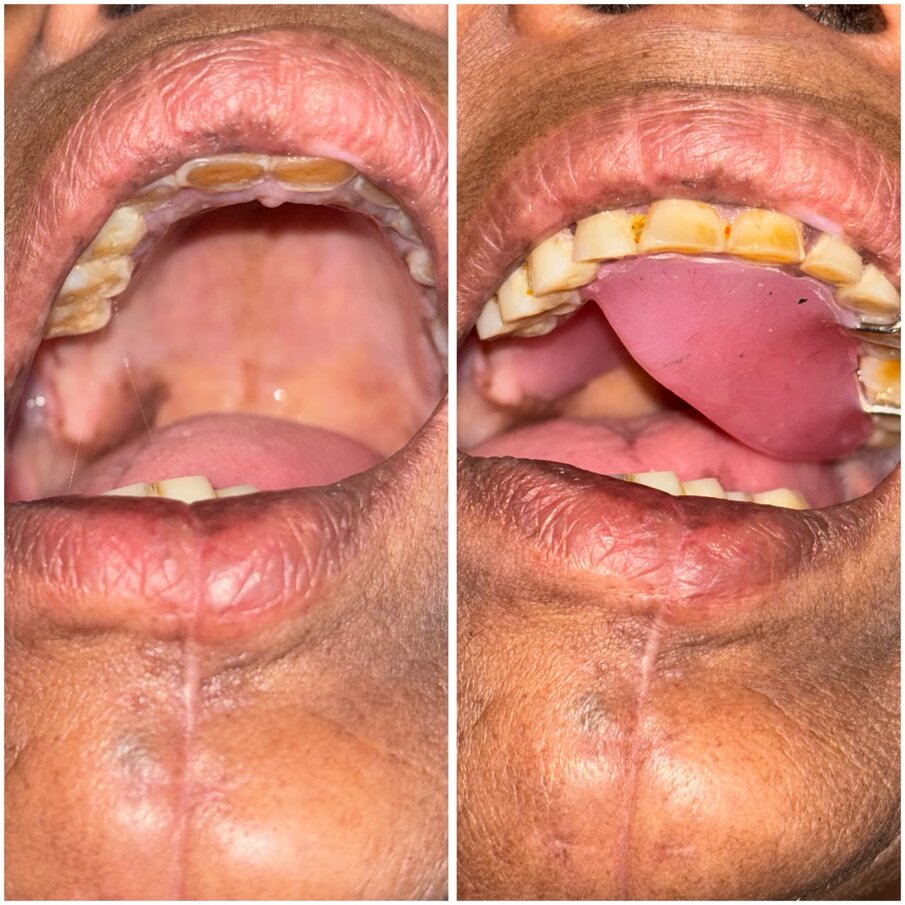
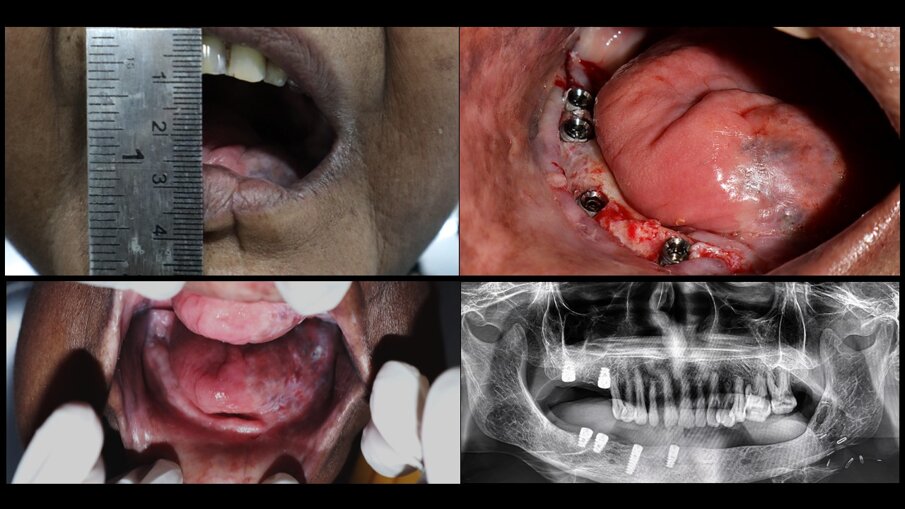
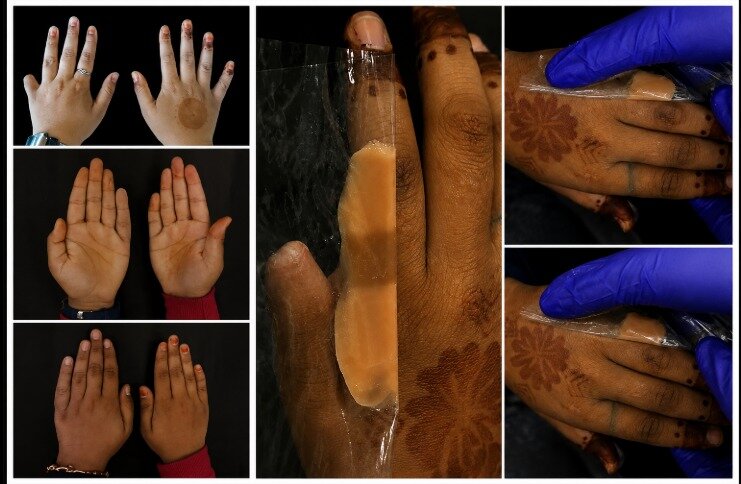
Patients who have undergone hemimandibulectomy often experience mandibular deviation, altered facial symmetry and difficulty in chewing. We have seen such patients report improved function and better control of deviation after rehabilitation with a twin-occlusion prosthesis. Similarly, patients with maxillary defects have reported relief from nasal regurgitation after receiving an obturator prosthesis. These improvements may appear mechanical, but for the patient, they can make eating, speaking and social interaction substantially easier.
What has been the response from patients to the services offered at the centre?
The response has been positive, particularly when patients understand what rehabilitation can restore. At the same time, we continue to see dropouts and difficulties related to travel, repeated appointments and access to the centre. This reminds us that providing a service is not enough; we must also improve awareness, follow-up and accessibility. Our outreach initiatives are intended to reduce some of these barriers.
How are intraoral scanning and 3D printing helping D Y Patil deliver more personalised rehabilitation solutions?
Intraoral scanning provides a digital representation of each patient's anatomy, especially valuable when the postsurgical defect is unique. That information can be used in computer-aided design and, where appropriate, combined with 3D printing to develop models, prototypes or patient-specific prosthetic components. These technologies do not replace clinical judgement, but they provide additional tools to visualise the defect, refine the design, and reproduce parts of the workflow more consistently. Our ongoing work in this area focuses on making rehabilitation increasingly individualised and patient-friendly.
What aspects of the D Y Patil model can realistically be adopted by other dental institutions seeking to strengthen oral cancer care?
The most transferable part of the model is not a particular machine; it is early interdisciplinary involvement. Dental institutions can begin by establishing referral links with oncology services, including prosthodontists in presurgical discussions, counselling patients about rehabilitation and creating a clear pathway for preventive, emergency and postoperative oral care. Conventional prostheses remain highly valuable, while digital tools can be introduced gradually based on the institution's resources and expertise.
Looking ahead, what is your vision for the future of oral cancer rehabilitation, and how does D Y Patil plan to contribute to that transformation?
Our vision is to increase awareness so that every patient understands that rehabilitation is possible and should be considered part of cancer care. We also want to expand the use of digital technology to provide more personalised solutions, strengthen interdisciplinary training and improve access for patients who struggle to reach specialist services. Ultimately, rehabilitation should become a planned stage of the cancer pathway rather than an optional service offered at the end.
If every dental college in India adopted just one lesson from the D Y Patil oral cancer care model, which would it be, and why?
The lesson would be simple: rehabilitation must begin before surgery. When the prosthodontist is involved early, the patient receives realistic counselling, the team can anticipate functional needs, and the transition from cancer treatment to recovery becomes more coordinated. Technology can strengthen this process, but the foundation is timely, interdisciplinary and patient-centred planning.
Topics:
Tags:
In a historic leap for cancer treatment, thousands of patients are set to receive cutting-edge cancer vaccines, marking the beginning of a new era in ...
Gene therapy and genome editing are two of the latest advances in treating head and neck cancers, offering new hope for patients and providing exciting new ...
STUTTGART – Viruses can make animals and humans sick – or healthy: Researchers at the Fraunhofer Institute for Interfacial Engineering and Biotechnology...
SYDNEY, Australia: Utilising CAD tools, CT scans and a specially developed computer algorithm, Ben Ferguson, a PhD student at the University of Sydney’s ...
Dr. Vinay Kumar is a Maxillofacial and Oral Surgeon with a long association with ITI as a scholar and researcher. A renowned clinician, educator, and ...
India spent approximately INR 2,386 crore on oral cancer treatment in 2020, which will increase to more than INR 23,000 crore in the next ten years.
Live webinar
Tue. 13 October 2026
10:30 pm IST (New Delhi)
Dr. Pierre Marin, Dr. Antoine Popelut
Live webinar
Tue. 13 October 2026
10:30 pm IST (New Delhi)
Live webinar
Thu. 15 October 2026
7:30 pm IST (New Delhi)
Live webinar
Thu. 15 October 2026
10:30 pm IST (New Delhi)
Live webinar
Thu. 15 October 2026
11:30 pm IST (New Delhi)
Dr. John Tsourounakis DDS, Cert. Perio, MS, FRCD(C)
Live webinar
Fri. 16 October 2026
12:00 am IST (New Delhi)
Dr. Varkha Rattu, Cat Edney
Live webinar
Fri. 16 October 2026
2:30 pm IST (New Delhi)
Prof. Dr. Dr. Florian Stelzle



 International / International
 Brazil / Brasil
 Canada / Canada
 Latin America / Latinoamérica
 USA / USA
 Austria / Österreich
 Bosnia and Herzegovina / Босна и Херцеговина
 Bulgaria / България
 Croatia / Hrvatska
 Czech Republic & Slovakia / Česká republika & Slovensko
 France / France
 Germany / Deutschland
 Greece / ΕΛΛΑΔΑ
 Hungary / Hungary
 Italy / Italia
 Netherlands / Nederland
 Nordic / Nordic
 Poland / Polska
 Portugal / Portugal
 Romania & Moldova / România & Moldova
 Slovenia / Slovenija
 Serbia & Montenegro / Србија и Црна Гора
 Spain / España
 Switzerland / Schweiz
 Turkey / Türkiye
 UK & Ireland / UK & Ireland
 China / 中国
 Pakistan / Pākistān
 Vietnam / Việt Nam
 ASEAN / ASEAN
 Israel / מְדִינַת יִשְׂרָאֵל
 Algeria, Morocco & Tunisia / الجزائر والمغرب وتونس
 Middle East / Middle East


 Dr. Pierre Marin, Dr. Antoine PopelutRegister now1CELive webinar
 Dr. Sinan GhishanRegister now1CELive webinar
 Dr. Sonia PresenciaLive webinar
 Dr. John Tsourounakis DDS, Cert. Perio, MS, FRCD(C)Register now1CE









To post a reply please login or register