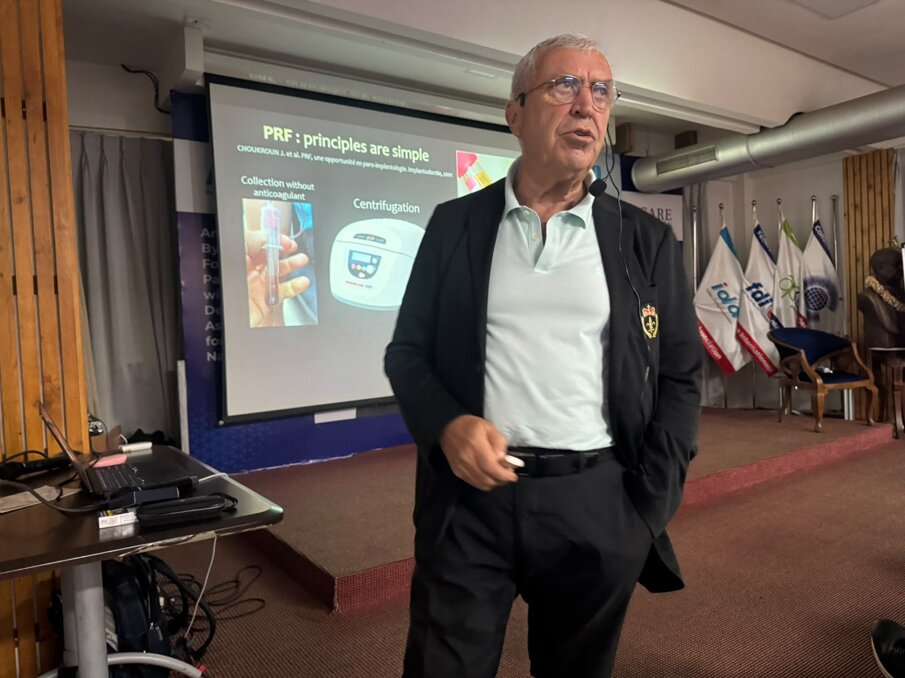
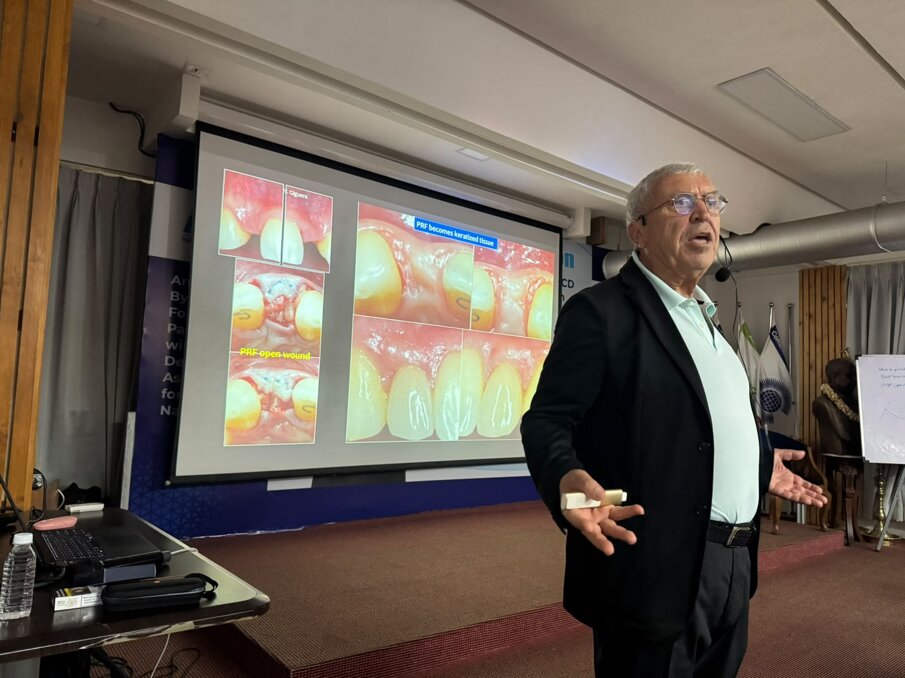
MUMBAI, India: More than two decades after introducing Platelet-Rich Fibrin (PRF) to Indian clinicians, Prof. Dr Joseph Choukroun returned to India in July 2026 to present the latest developments in regenerative dentistry during the PRF OCEAN & Osteoimmunology Masterclass India Tour 2026.
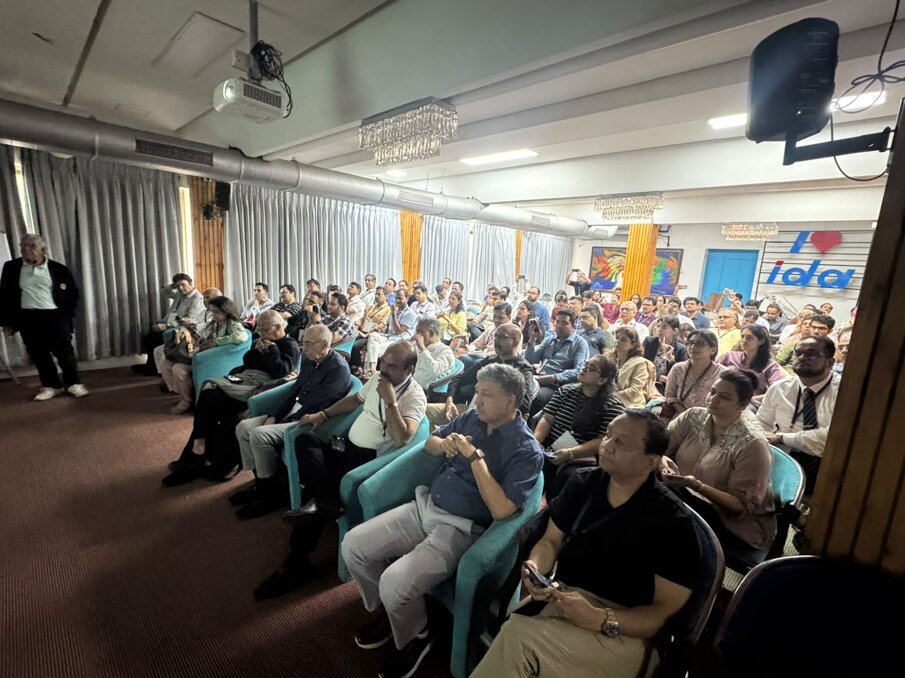
The two-city educational programme, held in Kochi (24 July) and Mumbai (26 July), brought together implantologists, periodontists, oral and maxillofacial surgeons, prosthodontists and general dental practitioners from across the country. The masterclasses focused on emerging evidence in osteoimmunology, advanced PRF protocols and biologically driven approaches to implant therapy and bone regeneration.
A central theme throughout the programme was a question that is increasingly attracting attention within implant dentistry: Can clinicians better predict implant complications before surgery by understanding the patient's biological and immunological status?
While surgical technique and biomaterials remain fundamental to successful implant treatment, Prof. Choukroun emphasised that long-term outcomes are also influenced by the patient's inflammatory response, immune regulation and regenerative capacity. The sessions explored how these biological factors may contribute to implant integration, bone healing and treatment predictability.
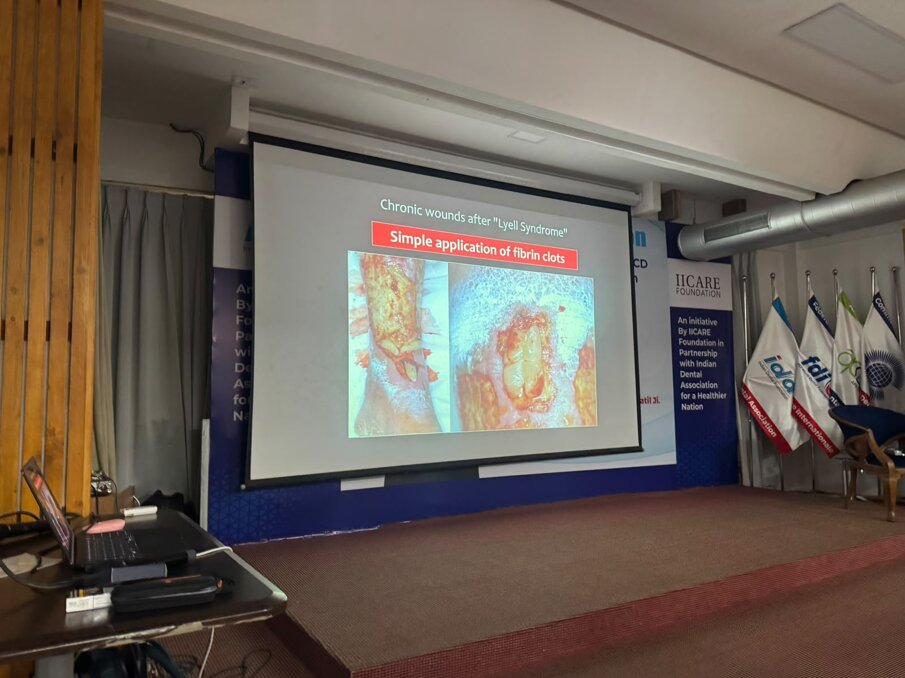
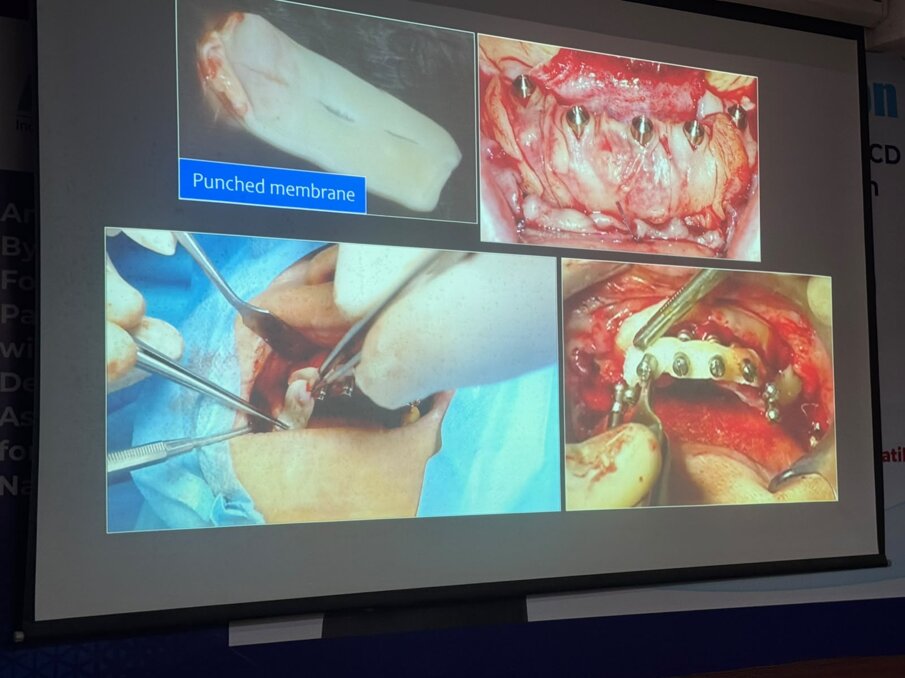
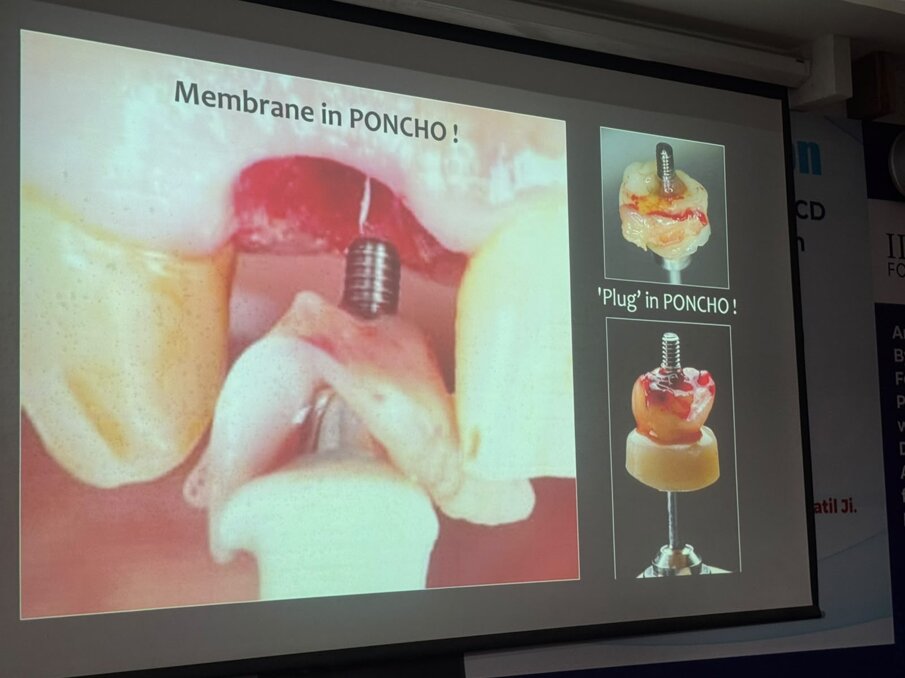
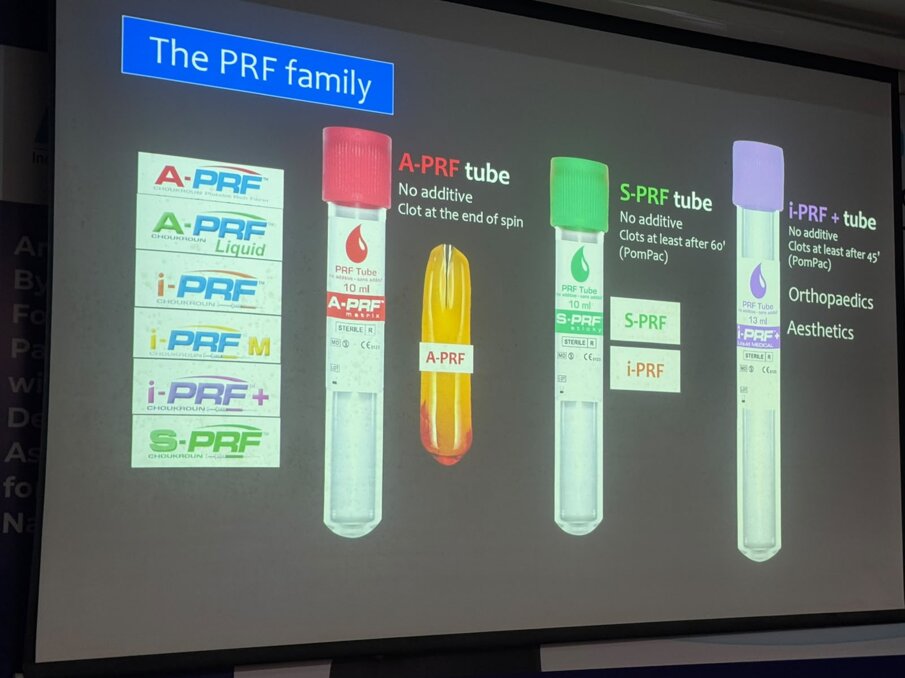
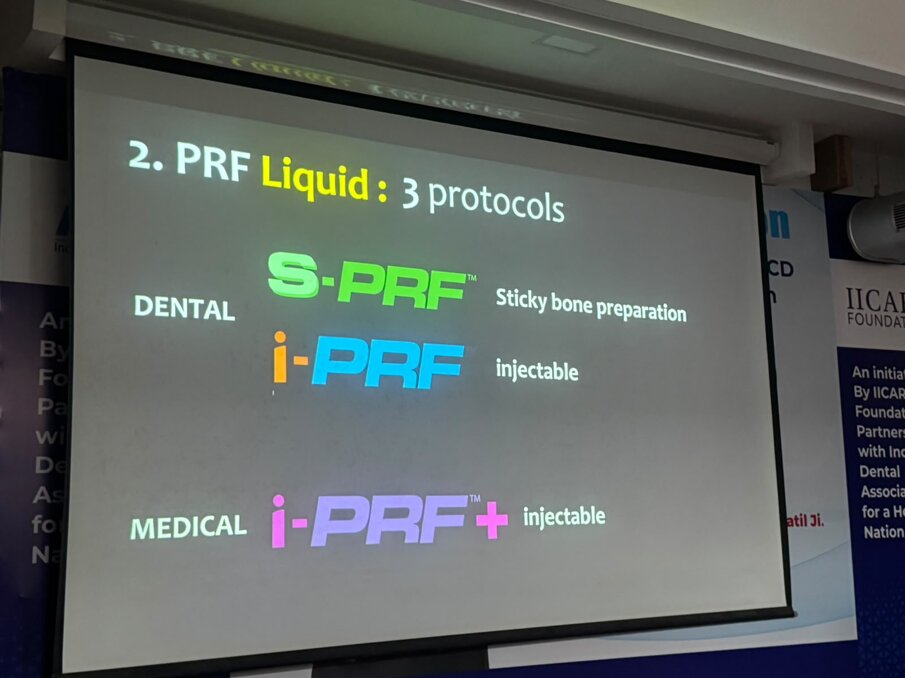
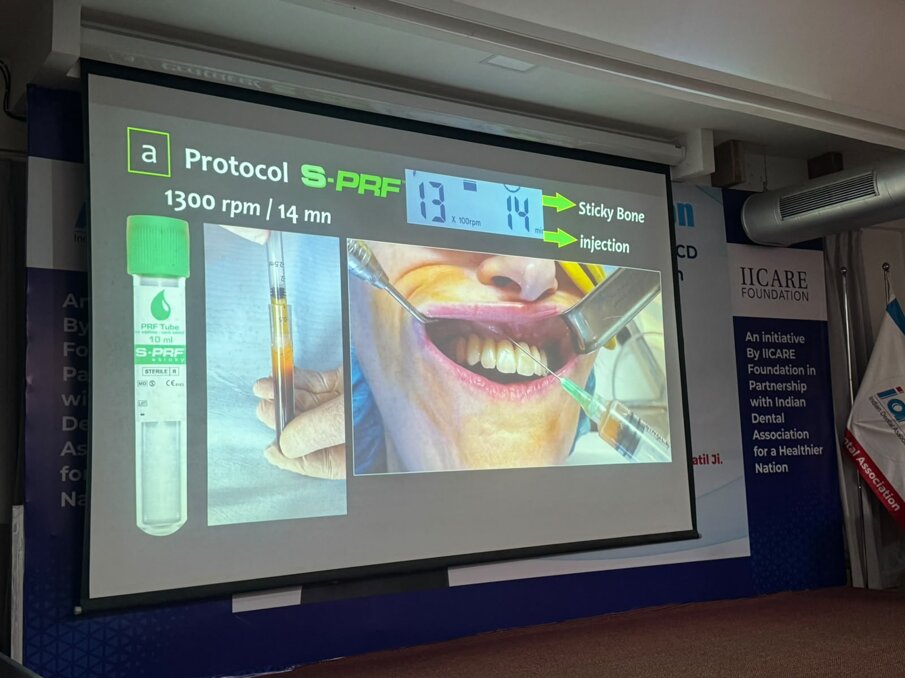
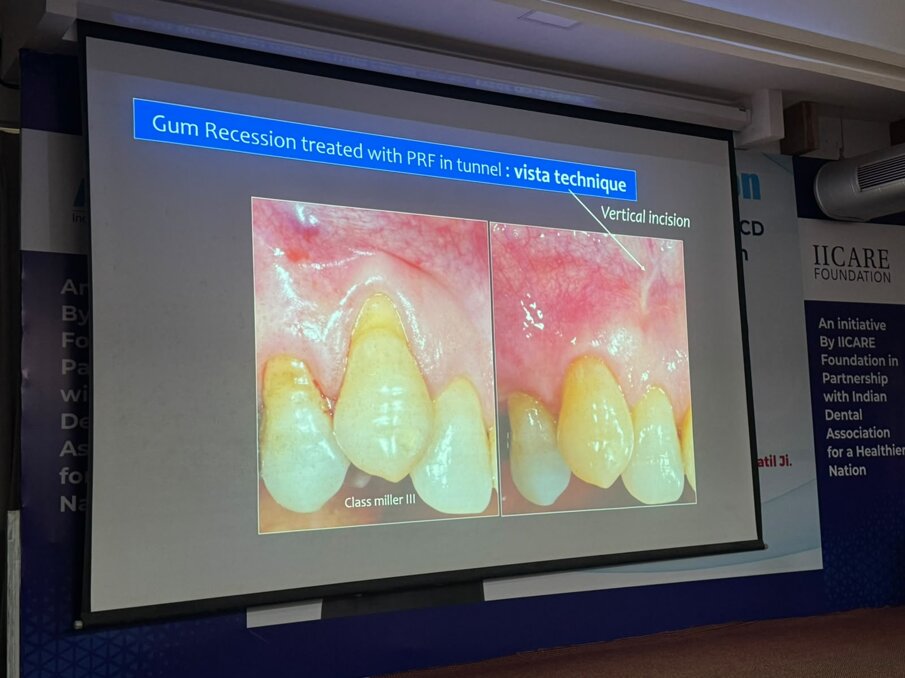
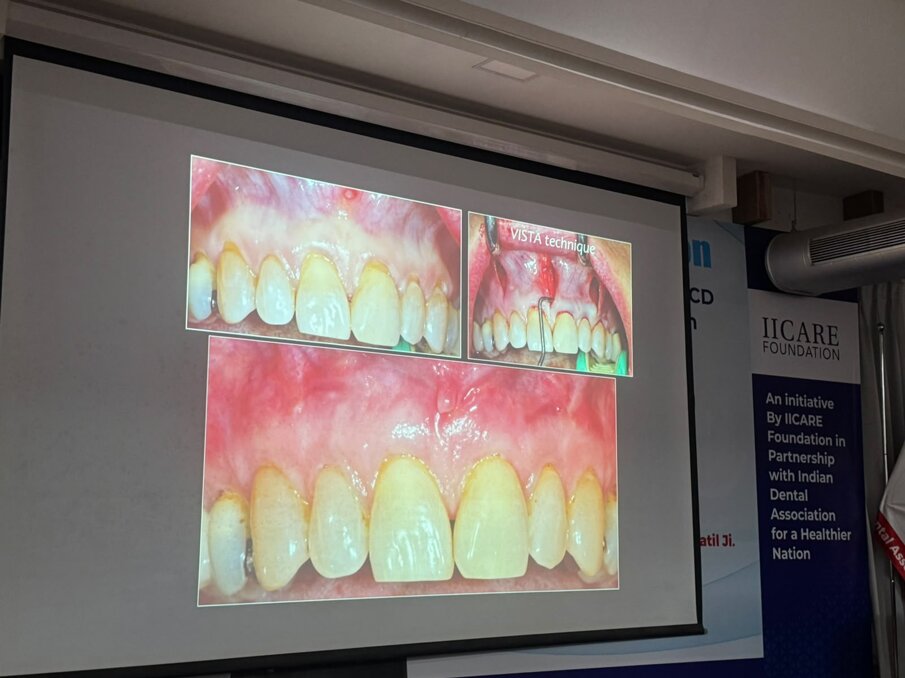
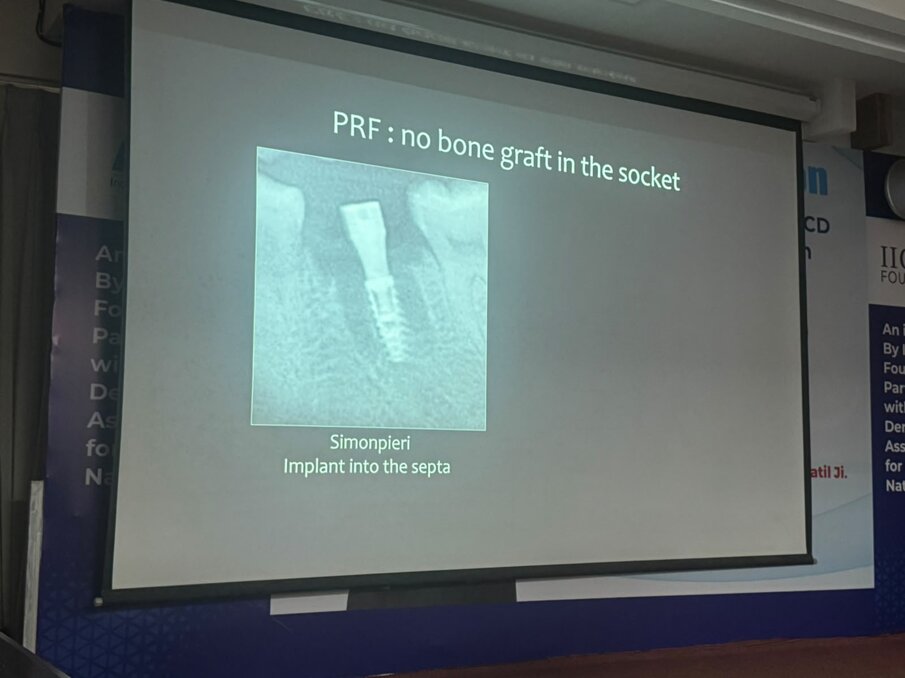
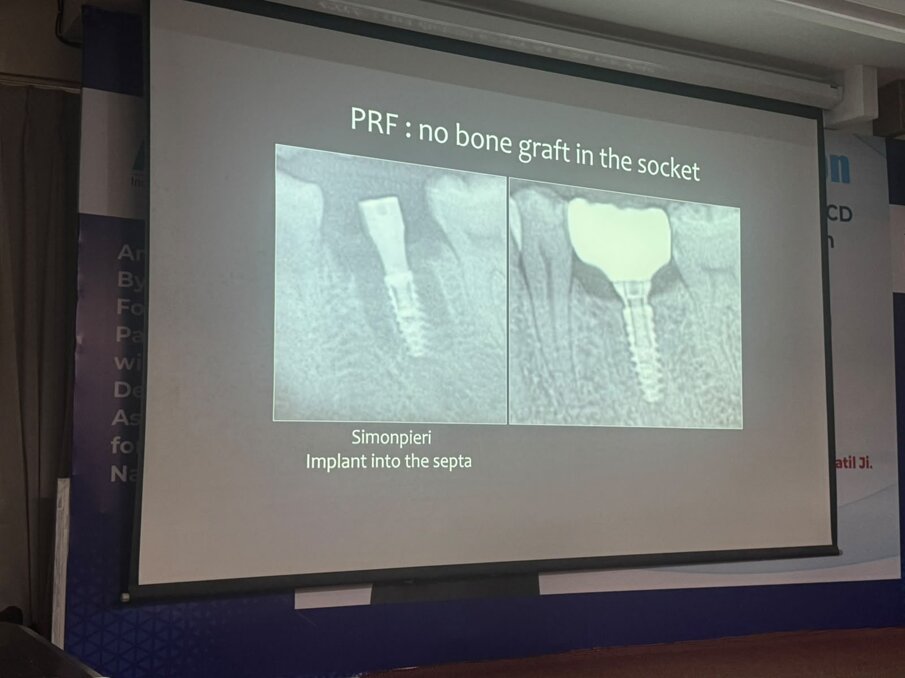
A major scientific highlight was the presentation of PRF OCEAN 2026, the latest evolution of the Choukroun PRF protocols. Participants were introduced to updated concepts involving advanced platelet-rich fibrin, S-PRF, and injectable PRF (i-PRF), along with their applications in soft tissue management, sticky bone, ridge preservation, immediate implant placement, and regenerative surgery.
Considerable attention was also devoted to osteoimmunology, an emerging field investigating the interaction between the immune system and bone biology. Recent research has increasingly highlighted the role of immune-mediated mechanisms in bone remodelling and tissue regeneration, suggesting that a patient's inflammatory profile may influence healing following implant placement and regenerative procedures.
Another area of significant interest was implant risk assessment before surgery. Prof. Choukroun discussed the evolving role of chairside inflammatory biomarker assessment technologies and their potential application in evaluating biological readiness for implant and regenerative treatment. Although these technologies continue to develop, they represent an important shift towards more personalised treatment planning based on patient biology rather than solely on anatomical considerations.
PRF Joseph Choukroun India 2026 Event 1
PRF Joseph Choukroun India 2026 Event 2
PRF Joseph Choukroun India 2026 Event 3
PRF Joseph Choukroun India 2026 Event 4
PRF Joseph Choukroun India 2026 Event 5
PRF Joseph Choukroun India 2026 Event 6
PRF Joseph Choukroun India 2026 Event 7
PRF Joseph Choukroun India 2026 Event 8
PRF Joseph Choukroun India 2026 Event 9
PRF Joseph Choukroun India 2026 Event 10
PRF Joseph Choukroun India 2026 Event 11
PRF Joseph Choukroun India 2026 Event 12
PRF Joseph Choukroun India 2026 Event 13
The programme also addressed the continuing clinical challenge of peri-implantitis, with discussions covering contemporary concepts in prevention, early diagnosis, risk assessment and long-term management. Practical clinical protocols and live demonstrations enabled delegates to observe the application of advanced regenerative techniques in routine clinical practice.
Speaking during the India tour, Prof. Dr Joseph Choukroun said that regenerative dentistry is entering a new phase in which biological understanding will increasingly complement surgical expertise.
"We can no longer view bone regeneration as a purely mechanical or surgical process. Bone healing is fundamentally controlled by biological and immunological mechanisms. The future belongs to clinicians who understand not only how to place implants, but how to optimise the patient's regenerative capacity before treatment."
Dr Srinivas Katta, Managing Director of Crest Biologics, said that regenerative dentistry is progressively moving towards biologically driven treatment protocols designed to improve healing and enhance long-term clinical outcomes.
"The integration of advanced bone grafting materials, PRF technologies and osteoimmunology concepts represents a significant step forward in implant dentistry and regenerative treatment planning."
Reflecting on the evolution of PRF education in India, Ruumi Daruwalla, Managing Director of LifeCare Devices Pvt. Ltd., noted that Prof. Choukroun first introduced the PRF concept to Indian clinicians in 2009.
"Over the years, thousands of dentists, oral surgeons, implantologists and facial aesthetic practitioners across India have incorporated Choukroun PRF protocols into their clinical practice. The protocols have continued to evolve with every scientific advancement, and the PRF OCEAN 2026 Masterclass showcased the latest developments in this continuing journey."
Daruwalla also highlighted the growing importance of biological assessment before surgical intervention.
"For many years, regenerative dentistry focused primarily on growth factors, biomaterials and surgical techniques. The next frontier is understanding the patient's inflammatory and immune status before treatment. Osteoimmunology and chairside inflammatory assessment have the potential to help clinicians make more informed treatment decisions and optimise healing outcomes."
Across both venues, delegates discussed contemporary regenerative concepts and participated in practical sessions designed to translate emerging evidence into everyday clinical practice. The programme concluded with the presentation of international certificates of participation endorsed by leading international educational organisations in implant dentistry and continuing professional education.
As implant dentistry continues to evolve towards increasingly personalised treatment strategies, the successful completion of the PRF OCEAN & Osteoimmunology Masterclass India Tour 2026 reflected the growing interest among Indian clinicians in integrating immunology, regenerative biology and evidence-based protocols into implant and regenerative therapy.
About Prof. Dr Joseph Choukroun
Prof. Dr Joseph Choukroun is the founder of the Platelet-Rich Fibrin (PRF) concept and is widely recognised as a pioneer of biologically driven regenerative dentistry. His work has contributed significantly to the development of platelet concentrate protocols used globally in implant dentistry, oral surgery, periodontology and facial aesthetics. His ongoing research focuses on platelet concentrates, bone regeneration, and osteoimmunology, aiming to improve clinical predictability through biologically based treatment approaches.
Topics:
Tags:
MUMBAI, India: Can clinicians identify patients at higher risk of implant complications before surgery? Can understanding the patient’s immune response ...
New Delhi: The two day SYFAC programme organized by LifeCare Devices Private Limited during a cold weekend of 9-10 December 2017 was attended by over 80 ...
Dr Patrick Palacci, a name that is synonymous with 'Palacci Technique,' is known for creating several novel techniques in Periodontics & Implantology with ...
Renowned implantologist, great educator, and one of the most sought-after experts in the field of implantology - Dr. Narayan Venkatraman answers questions ...
Prof. Dr Markus Hürzeler and Dr Otto Zuhr, popularly known as Hürzeler/ Zuhr, have taken clinical excellence, education, and research in periodontics,...
The Indian Society of Oral Implantologists will hold its 32nd Annual Conference in Hyderabad from 3–6 September 2026. Centred on the theme “Regenerate, ...
Our understanding of soft tissue phenotype around teeth and implants will improve as we utilise novel technologies and advance our knowledge from studying ...
In this editorial, Dr. Neel Bhatavadekar briefly outlines the long-term comparison between two main techniques for soft tissue grafting: tunneling vs. ...
Live webinar
Tue. 13 October 2026
10:30 pm IST (New Delhi)
Dr. Pierre Marin, Dr. Antoine Popelut
Live webinar
Tue. 13 October 2026
10:30 pm IST (New Delhi)
Live webinar
Thu. 15 October 2026
7:30 pm IST (New Delhi)
Live webinar
Thu. 15 October 2026
10:30 pm IST (New Delhi)
Live webinar
Thu. 15 October 2026
11:30 pm IST (New Delhi)
Dr. John Tsourounakis DDS, Cert. Perio, MS, FRCD(C)
Live webinar
Fri. 16 October 2026
12:00 am IST (New Delhi)
Dr. Varkha Rattu, Cat Edney
Live webinar
Fri. 16 October 2026
2:30 pm IST (New Delhi)
Prof. Dr. Dr. Florian Stelzle



 International / International
 Brazil / Brasil
 Canada / Canada
 Latin America / Latinoamérica
 USA / USA
 Austria / Österreich
 Bosnia and Herzegovina / Босна и Херцеговина
 Bulgaria / България
 Croatia / Hrvatska
 Czech Republic & Slovakia / Česká republika & Slovensko
 France / France
 Germany / Deutschland
 Greece / ΕΛΛΑΔΑ
 Hungary / Hungary
 Italy / Italia
 Netherlands / Nederland
 Nordic / Nordic
 Poland / Polska
 Portugal / Portugal
 Romania & Moldova / România & Moldova
 Slovenia / Slovenija
 Serbia & Montenegro / Србија и Црна Гора
 Spain / España
 Switzerland / Schweiz
 Turkey / Türkiye
 UK & Ireland / UK & Ireland
 China / 中国
 Pakistan / Pākistān
 Vietnam / Việt Nam
 ASEAN / ASEAN
 Israel / מְדִינַת יִשְׂרָאֵל
 Algeria, Morocco & Tunisia / الجزائر والمغرب وتونس
 Middle East / Middle East


 Dr. Pierre Marin, Dr. Antoine PopelutRegister now1CELive webinar
 Dr. Sinan GhishanRegister now1CELive webinar
 Dr. Sonia PresenciaLive webinar
 Dr. John Tsourounakis DDS, Cert. Perio, MS, FRCD(C)Register now1CE












To post a reply please login or register